How One Simple Daily Habit Helped Me Save $12,000 in Just One Year
From paycheck-to-paycheck stress to financial freedom with one daily practice
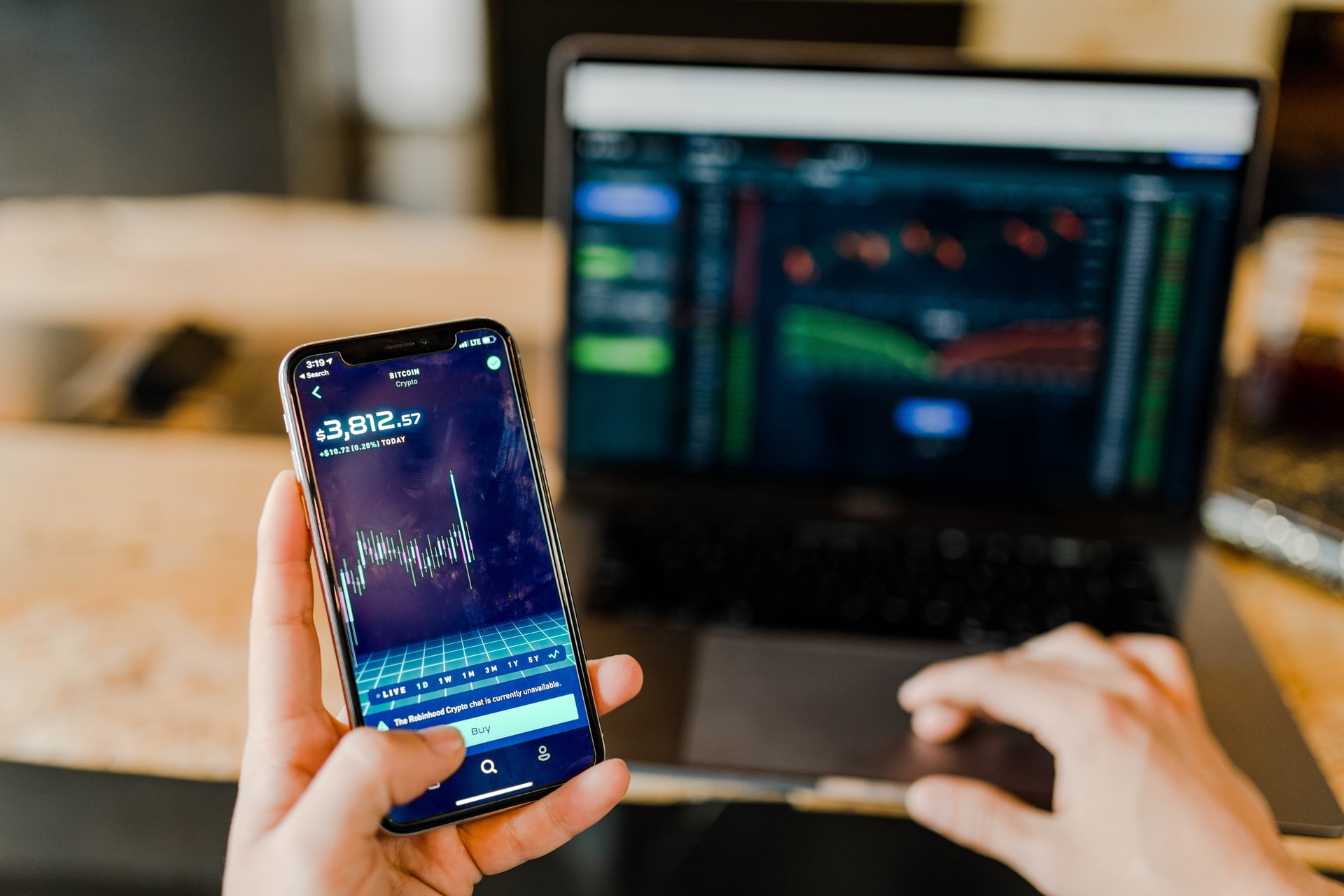
It was the third time that month I found myself staring at my online banking app, heart sinking as I realized I had just $46 to last until payday—still a week away. Despite earning a decent salary, I was trapped in a constant cycle of living paycheck to paycheck, with nothing to show for my hard work. Sound familiar?
Like many, I had tried and failed at numerous budgeting attempts. I'd download apps, create spreadsheets, and start enthusiastically, only to abandon them days later. The complicated systems never stuck, and my financial anxiety continued to mount.
"We don't need more money—we need better money habits."
Then, I discovered one simple habit that completely transformed my financial life, allowing me to save a remarkable $12,000 in just 12 months. This isn't about extreme frugality or depriving yourself of joy. It's about a small, daily practice that anyone can implement—regardless of your income level.
The Financial Problem I Faced
Before my financial transformation, my situation looked something like this:
- $4,200 monthly income (after taxes)
- $1,600 for rent and utilities
- $400 on car payments and insurance
- $200 on minimum credit card payments (with $8,000 in revolving debt)
- $600 on groceries and dining out
- $300 on subscriptions and entertainment
- $800 on miscellaneous expenses
- $300 left over that somehow always disappeared
The numbers made it look like I should have had money to save, but the reality was very different. I'd start each month with good intentions, only to find myself scraping by during the final days before payday.
The Emotional Toll
- Constant anxiety about unexpected expenses
- Embarrassment when having to decline social events
- Strained relationships due to money stress
- Insomnia from worrying about bills
- Feeling of failure despite working hard
The worst part wasn't just the lack of savings—it was the constant feeling of being out of control. I had no idea where my money was actually going, which meant I couldn't make intentional decisions about my spending.
The One Habit That Changed Everything
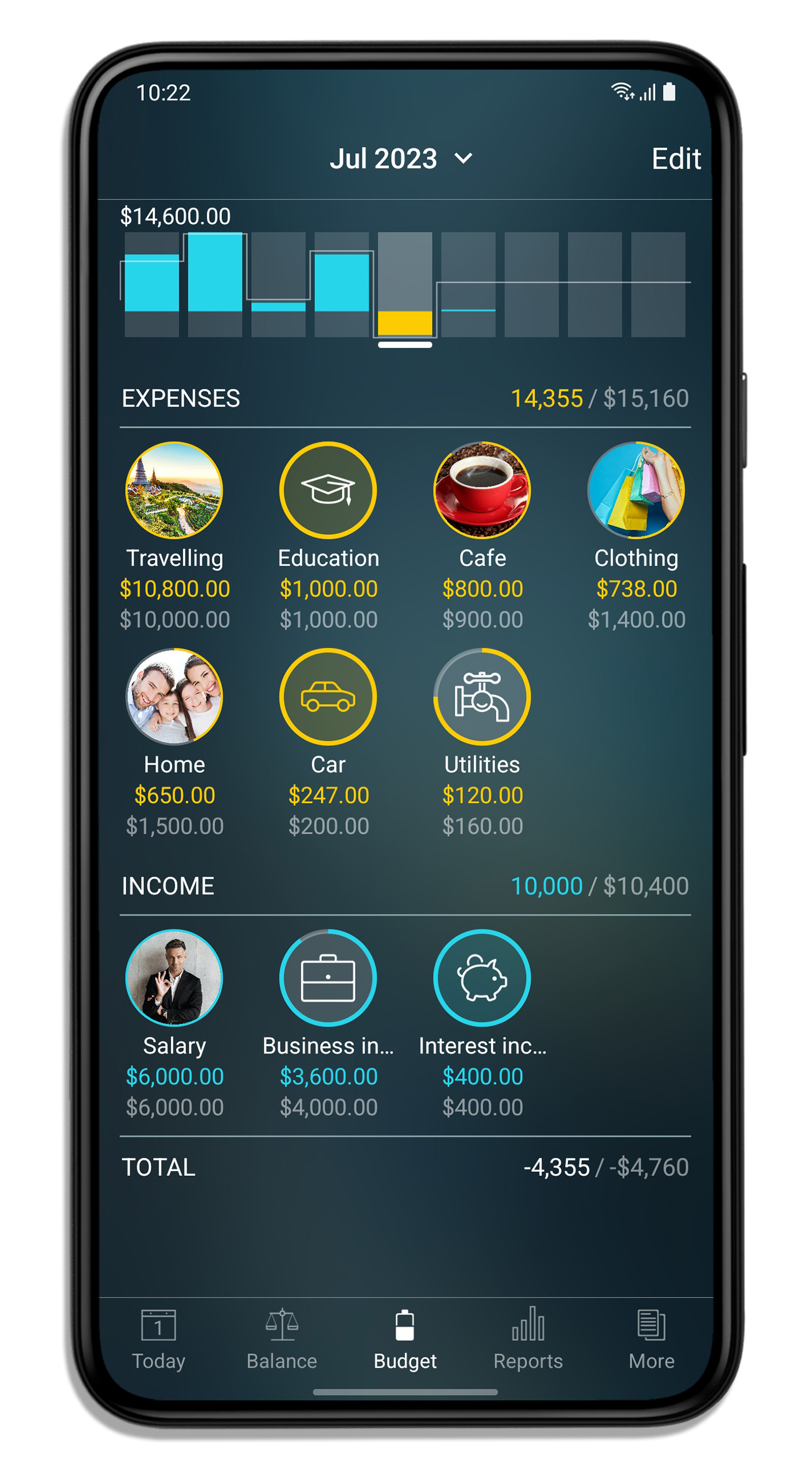
The Simple Habit: Track Every Single Expense, Without Exception
The habit that transformed my financial life wasn't complicated budgeting or extreme frugality. It was simply tracking every single expense, immediately after making it, without exceptions or excuses.
This meant recording everything from my monthly rent to a $1.50 vending machine purchase—no transaction was too small to track.
Why This Simple Habit Works So Powerfully:
Awareness Creates Change
The simple act of logging each expense makes you instantly more mindful about where your money goes.
Psychological Accountability
Knowing you'll have to record a purchase creates a moment of pause before spending impulsively.
Patterns Become Visible
After just weeks of tracking, you'll start seeing spending patterns you never noticed before.
Simplicity Ensures Consistency
Unlike complex budgeting systems, this one habit is simple enough to maintain long-term.
What makes this habit different from traditional budgeting is that it doesn't start with restrictions or rules. You're simply observing your actual behavior, which creates natural motivation for change when you see the reality of your spending patterns.
The Transformation: $12,000 Saved in One Year

The feeling of financial freedom after implementing this simple habit
Within just three months of consistently tracking every expense, I had already saved my first $2,000. By the end of the year, I had accumulated $12,000 in savings—something that had seemed impossible before.
How The Savings Happened
| Category | Before (Monthly) | After (Monthly) | Monthly Savings | Annual Savings |
|---|---|---|---|---|
| Dining Out | $350 | $150 | $200 | $2,400 |
| Impulse Shopping | $250 | $80 | $170 | $2,040 |
| Subscriptions | $120 | $40 | $80 | $960 |
| Groceries | $250 | $180 | $70 | $840 |
| Transportation | $200 | $120 | $80 | $960 |
| Utilities | $180 | $140 | $40 | $480 |
| Interest Saved (Debt Reduction) | - | - | $110 | $1,320 |
| Miscellaneous | $250 | $150 | $100 | $1,200 |
| TOTAL SAVINGS | - | - | $850 | $10,200 |
| Investment Returns | - | - | $150 | $1,800 |
| GRAND TOTAL | - | - | $1,000 | $12,000 |
The Key Realizations That Drove My Savings
Hidden Money Drains I Discovered
- $95/month on coffee shop visits (3-4 times/week)
- $280/month on lunch at work (instead of bringing food)
- $150/month on clothes I rarely wore
- $65/month on subscriptions I barely used
- $120/month on impulse Amazon purchases
Simple Switches That Saved Big
- Home-brewed coffee (saving $75/month)
- Meal prepping on Sundays (saving $200/month)
- Switching phone plans (saving $45/month)
- Energy-saving habits (saving $30/month)
- 24-hour rule before non-essential purchases (saving $100+/month)
Important Note: I Still Enjoyed Life
The key wasn't extreme restriction—it was intentional spending. I still ate out, bought clothes, and enjoyed entertainment. The difference was that these expenses were now planned and conscious choices rather than mindless habits.

Unexpected Benefits Beyond Money
While the $12,000 in savings was remarkable, the benefits I experienced went far beyond just the numbers in my bank account.
Mental Peace
The constant background anxiety about money disappeared. I no longer woke up at 3 AM worrying about unexpected expenses or how I'd make it to payday.
Improved Relationships
Money stress was no longer causing tension with my partner. I could confidently participate in social activities without financial worry.
Career Confidence
With a financial safety net, I felt empowered to pursue better career opportunities rather than clinging to a job out of financial fear.
"The most unexpected benefit wasn't the money saved but the sense of control I gained over my life. For the first time, I felt like I was directing my finances instead of my finances directing me."
Health and Wellness Improvements
Another surprising benefit was how tracking expenses positively impacted my health. When I realized I was spending over $200 a month on fast food and takeout, I started meal prepping at home. This not only saved money but also resulted in healthier eating habits and more energy.
Additionally, the reduction in financial stress led to better sleep quality and lower anxiety levels overall. My doctor even noted improvements in my blood pressure at my annual checkup!
How You Can Start Today
If you're inspired to try this simple but powerful habit, here's how to get started right away:
Choose Your Tracking Method
Find what works for you:
- A dedicated expense tracking app (I used Money Pro)
- A simple spreadsheet
- A small notebook you carry everywhere
- Notes app on your phone
Set Up Basic Categories
Start simple with these essential categories:
- Housing
- Transportation
- Food (groceries)
- Dining out
- Entertainment
- Shopping
- Utilities
- Miscellaneous
You can refine these as you learn more about your spending patterns.
Create Your Tracking Habit
Develop a consistent practice:
- Track expenses immediately after making them
- Set a daily reminder on your phone
- Keep receipts in a dedicated place if needed
- Review your spending each evening (takes just 5 minutes)
Analyze Weekly, Then Take Action
Schedule a 15-minute weekly review:
- Look for patterns and surprises in your spending
- Identify one area to focus on improving next week
- Celebrate small wins and progress
- Adjust categories if needed
Remember: Start Small
Don't try to overhaul your entire financial life in one day. The power of this approach is in the consistent tracking habit. The changes to your spending will happen naturally as your awareness increases.
Recommended Tools
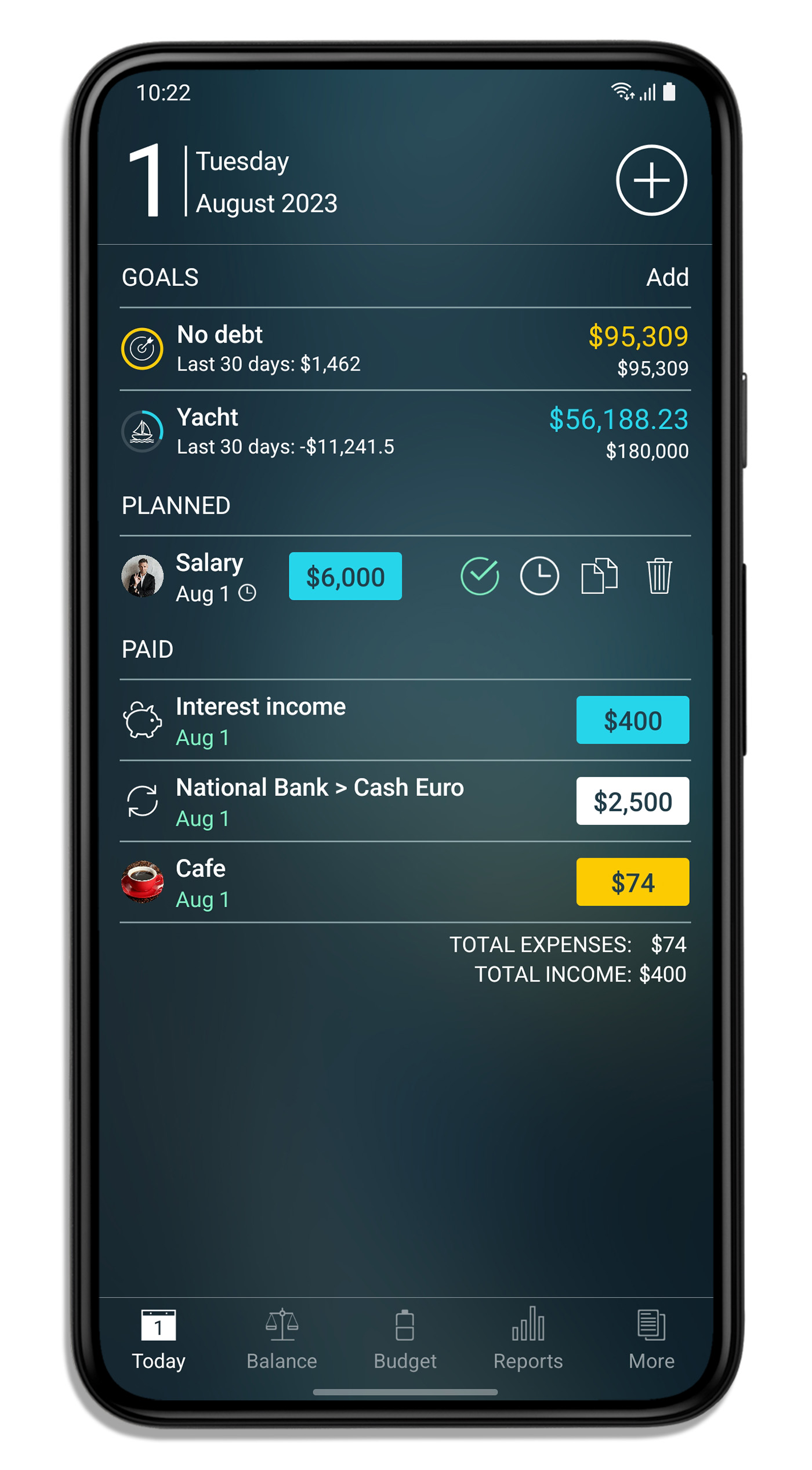
Money Pro
My personal favorite for its simple interface and automatic categorization features.
Mint
Great for automatic bank syncing and comprehensive financial overview.
Google Sheets Template
Free and highly customizable for those who prefer spreadsheets.
Expense Tracking Journal
For those who prefer pen and paper, a dedicated expense journal can be effective.
The 30-Day Challenge
Commit to just 30 days of tracking every expense. That's all. Don't worry about making changes yet—simply track everything and observe what you discover.
Final Thoughts & Encouragement

The journey to financial freedom doesn't have to be complicated. Sometimes the simplest habits create the most profound changes. For me, the daily practice of tracking every expense was the keystone habit that transformed my entire financial life.
When I look back at where I was just over a year ago—stressed, living paycheck to paycheck, with no savings—I'm amazed at how much has changed. Not just the $12,000 in my savings account, but the sense of peace and control I now feel about money.
"Financial freedom isn't about being rich. It's about having options and control over your life choices. This simple tracking habit gave me both."
If you're struggling with finances right now, I encourage you to try this one simple habit. Don't overwhelm yourself with complicated budgeting systems or extreme frugality challenges. Just track your expenses, every single one, for 30 days.
What you'll discover about your spending patterns will naturally guide your next steps. The awareness itself becomes the agent of change.
Your Turn
I'd love to hear about your experience if you try this habit. What did you discover about your spending? What changes did you make? How much did you save?
Take the First Step Today
Download a tracking app or create a simple spreadsheet right now. Then track your very next expense, no matter how small.
That single action could be the beginning of your financial transformation.
Additional Resources
Recommended Books
- "Your Money or Your Life" by Vicki Robin
- "The Psychology of Money" by Morgan Housel
- "Atomic Habits" by James Clear
Helpful Podcasts
- "The Financial Minimalist"
- "The Dave Ramsey Show"
- "How to Money"
Free Templates
- Expense Tracking Spreadsheet
- 30-Day Tracking Challenge Guide
- Weekly Review Checklist
Comments
Post a Comment